
Conservation of Native Forest Herbs
We use the latest molecular and laboratory techniques to safeguard Singapore’s endemic and iconic plants.
Last updated on 12 March 2026
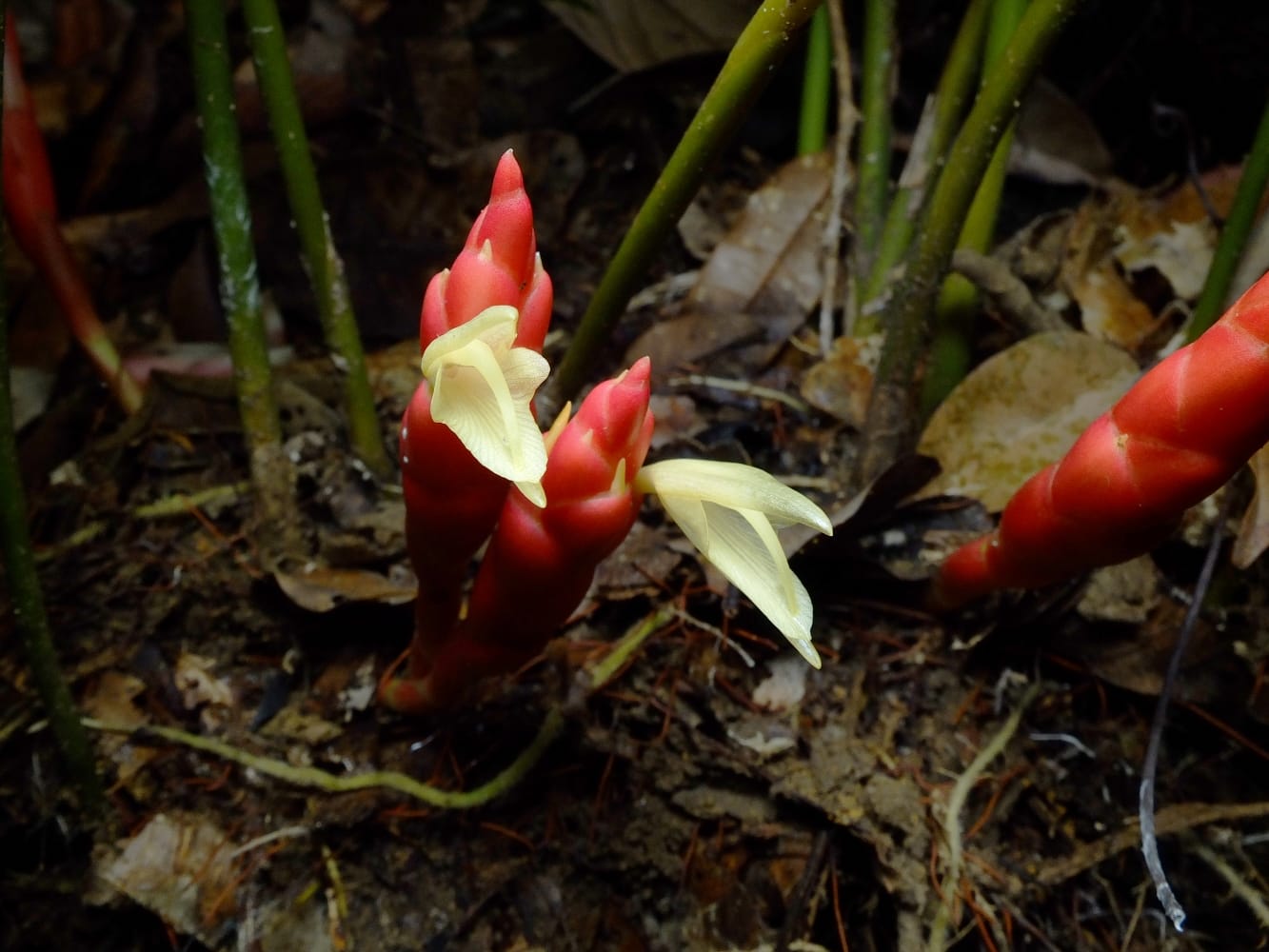
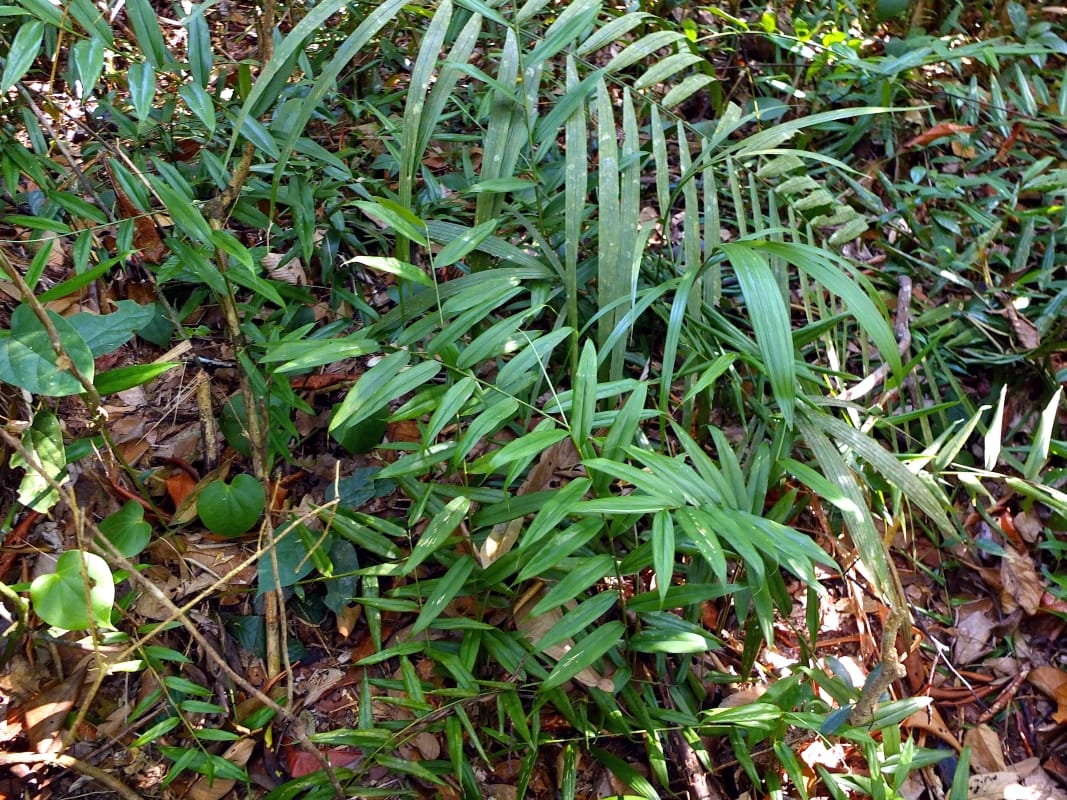
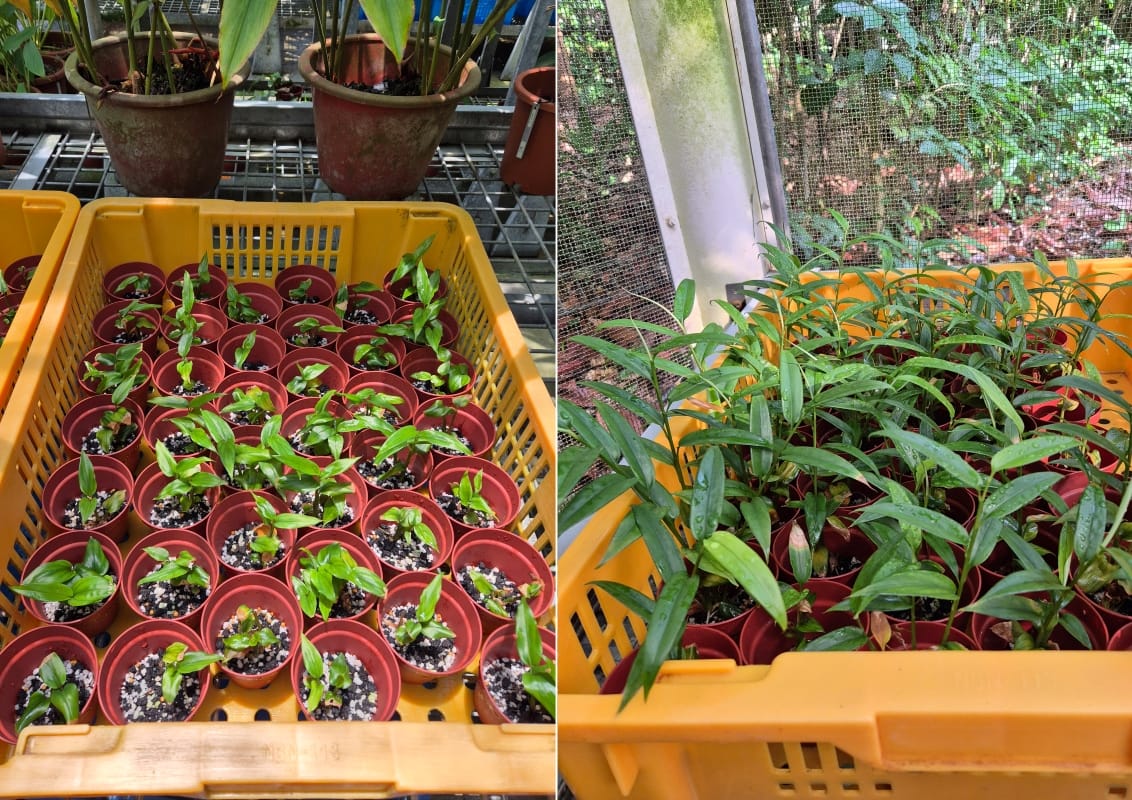
Zingiber singapurense, commonly known as the Singapore ginger, is a small, iconic and critically endangered species described as new to science in 2014. Singapore is the only place in the world where it occurs in the wild, with a small number of individuals found in various locations in our primary forests. Genomic studies have revealed the existence of only 13 distinct genotypes with no evidence of recent gene flow. Although it flowers regularly, fruits have not yet been observed.
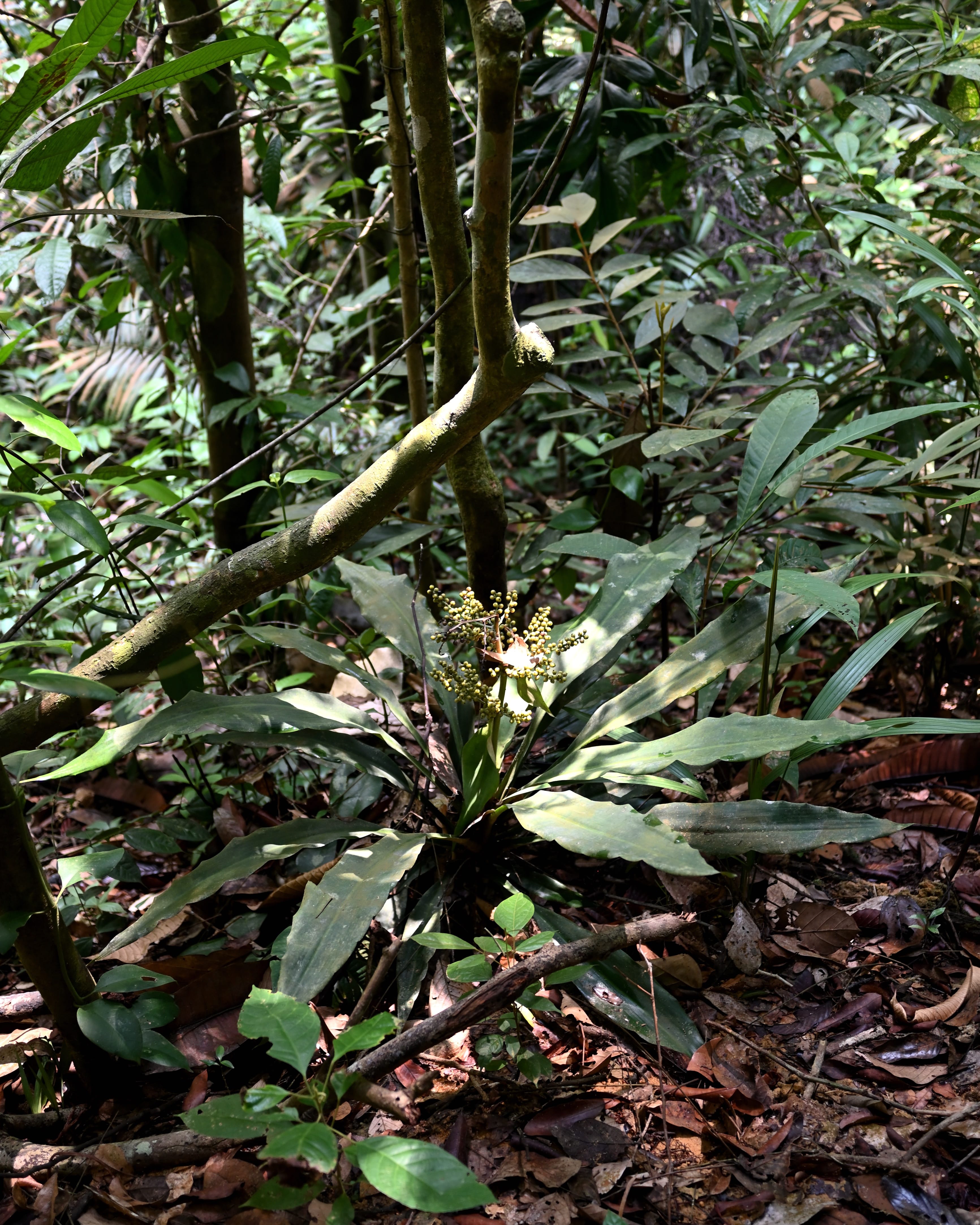
Hanguana neglecta, also described in 2014 as a new species from Singapore's Bukit Timah Nature Reserve, represents a critically important addition to our understanding of the reproduction of forest flora. This species was distinguished from the more widespread, aquatic Hanguana anthelminthica through careful morphological and molecular studies. All Hanguana species in Singapore have been studied at population level for genetic variability and most species have been shown to be genetically uniform (uniclonal), indicating that the plants form their seed asexually, and sexual reproduction has not been detected.
.jpg)
These discoveries underscore both the botanical significance of Singapore's remaining primary forests and the revelations that can emerge from detailed study of our native plant communities, even in well-studied locations like Singapore’s Bukit Timah Nature Reserve and Central Catchment Nature Reserve.
These species are actively protected by in- and ex-situ conservation and propagation efforts under NParks' Species Recovery Programme, including in-vitro cultures in our tissue culture lab.